Fuzhou Tourist Destinations
 Located northwest part of the city, Fuzhou West Lake Park is a wonderful garden and popular for its similiarity to West Lake in Hangzhou. In the third year reign of Emperor Taikang (282 AD), Governor Yangao chanelled water from northwest mountain for irrigation purpose. During Tang Dynasty (618-907 AD) it was changed to tourist destination, West Lake has been expanded since then to attract more visitor.
Lin Zexu Memorial Hall was built in 1905 as remembrance for Lin Zexu, a National patriot during opium war.
Fuzhou Black Pagoda at the foot of eastern side of Wu Hill, was built in 944 with seven levels and 35 meters (115 feet) high. The octagonal Fuzhou White Pagoda stands on western slope of Yu Hill, was built in 905 with seven levels and 41 meters (135 feet). Both pagodas are facing each other and have a excellent views from the top level.
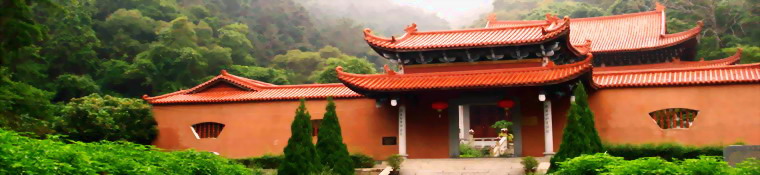
In the western part of Fuzhou City, Xi Chan Temple is one of five ancient Buddist temples within the city. Inside the temple consists some ancient relics, including imperial handwriting of Emperor Kangxi and murals of Qing Dynasty (1644-1911). Xichan temple also known for its lichee trees that were planted since Song Dynasty.
Built during the Song Dynasty, Fuzhou Jinshan Temple located on the Wulong River in the west suburb of the city. The temple is surrounding by water, secluded and have a nice enviromental.
Three Lanes and Seven Alleys or Sanfang-Qixiang represents Fuzhou as historic and culture-rich city. Sanfang-Qixiang is a cluster of ancient residential buildings, a well preserved historical heritage. It's located in the downtown of Fuzhou, lining from north to south, covering an area of 40 hectares.
Qingyun Mountain is national AAAA scenic zone and national key scenic resort, it is about 13 kilometers from Yongtai County and 75 kilometers from Fuzhou City. The scenic spot is covered with high mountains and luxuriant forest. The scenic spot encompasses 9 mountains which stretch a kilometer into the sky and 9 rivers flowing through deep canyons as well as Cliffs, valleys, waterfalls and springs which are all available for exploration by visitors.
Located in the eastern part of Fuzhou City, Drum Mountain (also called Gu Shan) is the most popular destination in Fuzhou, there are over 100 historical and cultural sites that spread out in its vicinity. Yong Quan Temple which located at the foot of White Cloud Peak, was built in 908 AD and considered as important Buddist temple in Fuzhou. The Eighteen Sights of Bodhidharma was located at the foot of Lion Peak, west of Yong Quan Temple. During the reign of Emperor Daoguang of the Qing Dynasty, there was a poet known as Wei Jie, who carved the eighteen sight in the crag outside the Bodhidharma cave.
Fuzhou National Forest Park is situated 7 kilometers (4.3 miles) in the northern suburb of Fuzhou City. This AAAA rating scenic spot contains a variety of botanical gardens with thousands kind of plants from both domestic and abroad.