Three Lanes and Seven Alleys
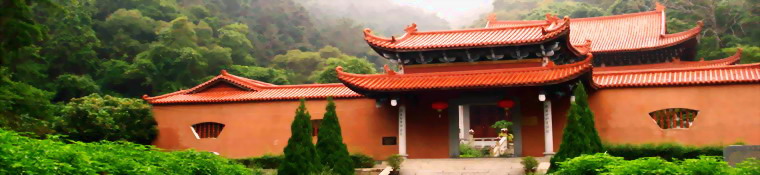
Three Lanes and Seven Alleys or Sanfang-Qixiang represents Fuzhou as historic and culture-rich city. Sanfang-Qixiang is a cluster of ancient residential buildings, a well preserved historical heritage. It's located in the downtown of Fuzhou, lining from north to south, covering an area of 40 hectares.
Three Lanes and Seven Alleys is compared by many architects as the museum of architecture in the Ming and Qing Dynasties era. It is said the layout of the lanes and alleys was formed even earlier back in Tang and Song dynasties almost 1000 years ago. The houses was built with ancient huge-bricks and decorated with seashells, they are easier to got the material from sea because of Fuzhou coastal location.
As the heart of Min River culture, there are extensive cultural relics and historic sites in this area, including former residence of famous persons and architectures of the Ming Dynasty and the Qing Dynasty. In the Sanfang-Qixiang vicinity, there are hundred of houses were built during Ming and Qing Dynasty, they still exist in the crowd of modern buildings. Most of those houses were built by wealthy people at their time, such as empire officials or businessmen. Ornaments detail, wood carving and stone carvings are all testify to their past glory.
The three lanes refer to Wenru Lane, Yijin Lane, and Guanglu Lane, while the seven alleys refer to Huang Alley, Gong Alley, Yangqiao Alley, Langguan Alley, Ta Alley, Anmin Alley, and Jipi Alley. Nowadays the Jiqi Alley, Yangqiao Alley and Guanglu Lane have been reconstructed into driveways, only two lanes and five alleys are remained.
There is a popular food named Yanpi in Fuzhou. For anybody who brags about any knowledge of Fuzhou, you should know about this. This is a special kind of wrap made from pounding pork. A small store in Sanfang-qixiang is among the few workshops in Fuzhou that still make Yanpi the traditional way, therefore extremely famous.