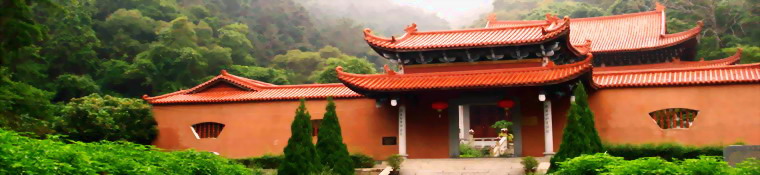
Gulangyu Island
Gulangyu Island is the prime sightseeing in Xiamen, thus Xiamen travelers should put Gulangyu Island on their itinerary. With just a 10 minute steam ship ride, visitors will find themselves in a charming island that was once used as a settlement area for the foreign community of Xiamen in the 1880s. Gulangyu Island is known for its delicate natural beauty, its ancient relics, and the varied architecture. The island is on China's list of National Scenic Spots and also belongs to the top of the list of the ten most scenic areas in Fujian Province.
During the Ming Dynasty (1368-1644), the island was called "Yuanshazhou Island". It received its present name of the huge reef surrounding it. When the flood comes, the waves pound the reef and it sounds like the beating of a drum. The island was called "Gulang". Gu in Chinese means "drum", and Lang is for "waves".
During the later Ming Dynasty, were the troops of the national hero Zheng Cheng Gong stationed here. After the Opium War in 1842, 13 countries, including Britain, France and Japan established consulates, churches and hospitals, turning the island into a joint concession. In 1942 Japan occupied the island until the end of the War of Resistance against Japan.
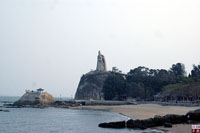 Gulangyu island has about 20,000 permanent residents, who all enjoy a comfortable, relaxed life. Only electrically powered vehicles are allowed on the island, so the environment is free from noise and pollution from combustion engines. Breathing the clean air, appreciate the ever-present green trees and beautiful flowers, everyone can feel them in heaven. With classical and romantic European-style architecture, the island truly deserves to be called the "Architecture Museum". It is also known as the "Cradle of Musicians" and "Island of Music" because of its reputation for music appreciation.
The Island Ring Road, which circles the island, allows visitors to fully enjoy all the sights of this small, charming island. Among many scenic spots on Gulangyu Island, the most attractive are the Sunlight Rock and Shuzhuang Garden.
During the Ming Dynasty (1368-1644), the island was called "Yuanshazhou Island". It received its present name of the huge reef surrounding it. When the flood comes, the waves pound the reef and it sounds like the beating of a drum. The island was called "Gulang". Gu in Chinese means "drum", and Lang is for "waves".
During the later Ming Dynasty, were the troops of the national hero Zheng Cheng Gong stationed here. After the Opium War in 1842, 13 countries, including Britain, France and Japan established consulates, churches and hospitals, turning the island into a joint concession. In 1942 Japan occupied the island until the end of the War of Resistance against Japan.
The Island Ring Road, which circles the island, allows visitors to fully enjoy all the sights of this small, charming island. Among many scenic spots on Gulangyu Island, the most attractive are the Sunlight Rock and Shuzhuang Garden.