Xilamuren Grassland
Xilamuren Grassland which mean Yellow River in Mongolian, is situated 100 kilometers north of Hohhot, and the earliest grassland tourist destination opened in Inner Mongolia. Xilamuren Grassland nature beauty is marked by its rolling hills, covered by green grass and fresh flowers every summer and autumn. Considered as the nearest grassland tourist attractions from Hohhot, Xilamuren Grassland has average temperature about 18℃-21℃ in summer season.
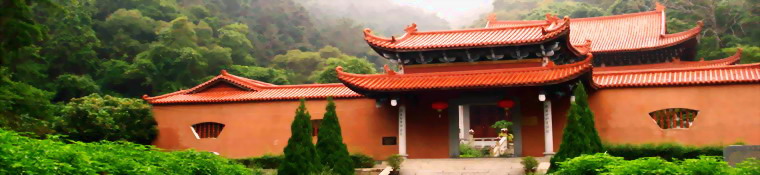
Xilamuren steppe, or commonly known as Taihe, achieved the name from the Puhui Temple, a Lama temple built in 1769 during the reign of the Qing Dynasty. Located near the Xilamuren River, originally the Puhui temple was the temporary palace for the sixth Xilituzhao living Buddha. Today it is a complex of three halls with carved ceilings and painted beams. The beautiful Xilamuren River surrounds the temple, presenting a harmonious and peaceful atmosphere.
Do you want to feel the Mongolian atmosphere? Then try to spend the night in a yurt (Mongolian traditional tent). The yurt originally designed to be folded up and carried by camel, however today most of them are slightly more solidly built on concrete yards, in yurt type camps that have numerous yurts and usually has a dining area, a washroom with occasional hot water and even electric light.
The best time to visit the Xilamuren grassland is in summer and autumn. At this time, the grassland serving unforgettable moments in your life, with the blue sky, white clouds, pleasant climate, the wandering herds and flocks , and the passionate herdsmen. During the Nadam Festival in the second half of August, the Xilamuren Grassland filled with excitement activities. Tourist can enjoy watching the "Three Manly Sports" (wrestling, horseback riding and archery), rodeo competition, or visiting the aobaos (rock mounds that are normally festooned with flags, meant for worship). In the evening also provides impressive activities such as baijiu dinner, performances of traditional dancing, singing and melodies from traditional Mongolian instruments, including the sawing charms of the horsehead fiddle (Matou qin).