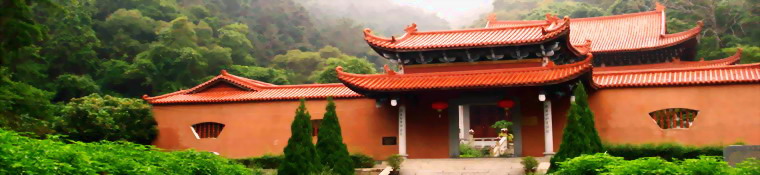
Wudangzhao Monastery
Wudangzhao Monastery is situated 70 km northeast of Baotou, this 260 years old monastery is the largest Lamasery in Inner Mongolia. Built in 1749 during early period of Qing Dynasty, this Yellow Hat Sect (Gelukpa) Buddhist monastery was once home to 1,200 monks and the remains of Living Buddhas are stored at the monastery. Yellow Hat Sect has a strong follower in Mongolia, since the Mongols invaded Tibet in the thirteenth century, and today this area still attracts pilgrims in a multitude. Wudangzhao Monastery is a large and well-preserved monastery covers an area of 20 hectares and is situated on an attractive terraced mountain slope.
"Wudang" which means willow and "Zhao" means monastery in Mongolian. Thus "Wudangzhao" is a monastery built near willows and it is a popular scenic spot in Baotou. Built with Tibetan style architecture, the building is a group of white architectures built on the hills according to the principles of physiognomy. The white monastery stands out against the background of the green trees, making it very gorgeous scenery. According history, the first living Buddha Luobusangjialacuo Lama of this monastery selected the place himself, and built it according to the monastery pattern brought from Tibet ( Wudangzhao Monastery is similar with Tashilhunpo Monastery in Shigatse, Tibet ). "Bada Gele Monastery" is its Tibetan name, which mean white lotus.
Wudangzhao Monastery is composed of six halls, three Living Buddha mansions, a funeral hall where the relics of several living Buddhas are preserved, and more than 2,000 Lama dormitories. As you enter the door of the monastery, you will see Suguqin Hall where people gathered to read scriptures. The displays inside the palace are resplendent and amazing, and the pillars inside the lecture hall were wraps with woolen blankets veined with dragons. The floor is covered with red carpet, and the walls are covered with the colorful paintings depicting Buddhist stories. Querenlin Hall is situated to the west of Suguqin Hall, where the Laughing Buddha is worshipped here.
Standing highly on the Suguqing Hall and the Querenlin Hall is the Dongkuoer palace and it is the place for teaching astronomy and geography. On the lintel, there hung a tablet written "the Guangjue Monastery" in four languages - Chinese, Manchuria, Mongolian, and Tibet. The Wudangzhao Monastery once invited 7 generations incarnate Buddha, so the successive incarnate Buddha utensils, precious stationers are still on display in the Dongkuoer Buddha home at the back of the Dongkuoer palace.
How to visit Wudangzhao Monastery :
Taking regular buses in the square out front of the eastern passenger transport station of Baotou, you will reach the monastery after a journey of about four hours.